The Journal Patient Education · Vol. I — No. 03 · June 2026
Patient Education

Bonding, Veneers, or Crowns?

Three different restorations, three different conversations. What each one is, where each one belongs, and why choosing the wrong one is the most expensive decision you can make.

Aesthetic dentistry — layered ceramic restorations
Photograph Three families of restoration — bonding, veneers, and crowns — each with a specific clinical purpose and a specific cost when chosen incorrectly.

There is no shortage of confusion around the words bonding, veneers, and crowns. Patients are often quoted one of the three at consultations elsewhere without ever being told what really separates them, or why a particular case calls for one and not another. The decision is rarely about taste. It is a clinical decision — and the wrong one can cost a tooth.

Bonding, veneers, and crowns sit on a spectrum of how much tooth structure is covered and replaced. Bonding adds material onto a tooth without removing it. Veneers cover the front surface with a thin layer of ceramic. Crowns wrap the entire tooth in a restoration. Each of those interventions has its own ideal indication, its own longevity, and its own consequence when it is misapplied.

The job of the specialist is to match the right restoration to the right tooth at the right time — never the other way around. A beautiful set of veneers cannot rescue a tooth that needed a crown. And a crown placed where a veneer would have sufficed sacrifices irreplaceable tooth structure forever.

The mistake is rarely in the artistry. It is almost always in the diagnosis.

Why this conversation matters

As a board-certified prosthodontist, I have spent the last decade replacing restorations that should never have been placed — bonding that has yellowed and chipped, veneers that should have been crowns, and crowns that destroyed teeth that needed only a veneer. None of those original treatments were technically poor. They were planned poorly.

The conversation we have with every new patient begins with that diagnosis. Before any restoration is offered, the teeth are examined for structure, the bite is evaluated, the aesthetic concerns are heard, and the options are explained — in plain language — in terms of what each will achieve and what each will cost. That is what informed consent really looks like.

If you are weighing a recommendation you have received elsewhere, or trying to make sense of what your treatment plan should be, the most important question is not which restoration — it is who is doing the diagnosis.
§ Written by Dr. Stuart Schelkopf
A Closer Look

Three Restorations, Three Conversations

A side-by-side look at what each restoration is — what it can do, what it cannot do, and the clinical situation it was designed for.

I.
Restoration 01 · Composite Bonding

Composite bonding

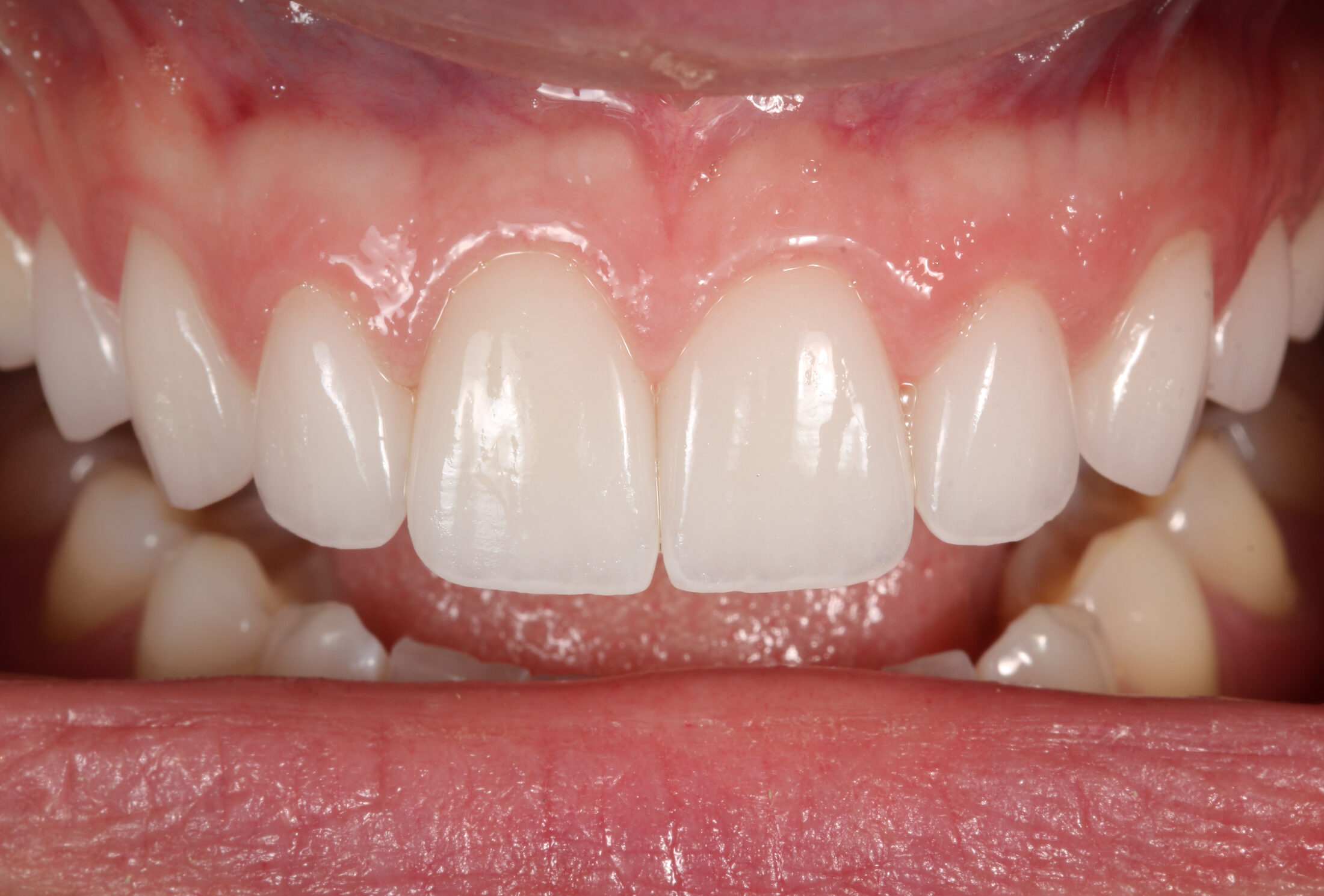
Bonding is a tooth-colored resin that is sculpted directly onto a tooth and cured in place. It is the most conservative of the three — no laboratory work and minimal tooth alteration. It is also the least durable, the most prone to staining and chipping, and the hardest of the three to make look truly natural over time. It belongs on small repairs, single-edge chips, and short-term solutions — not on full smile makeovers.

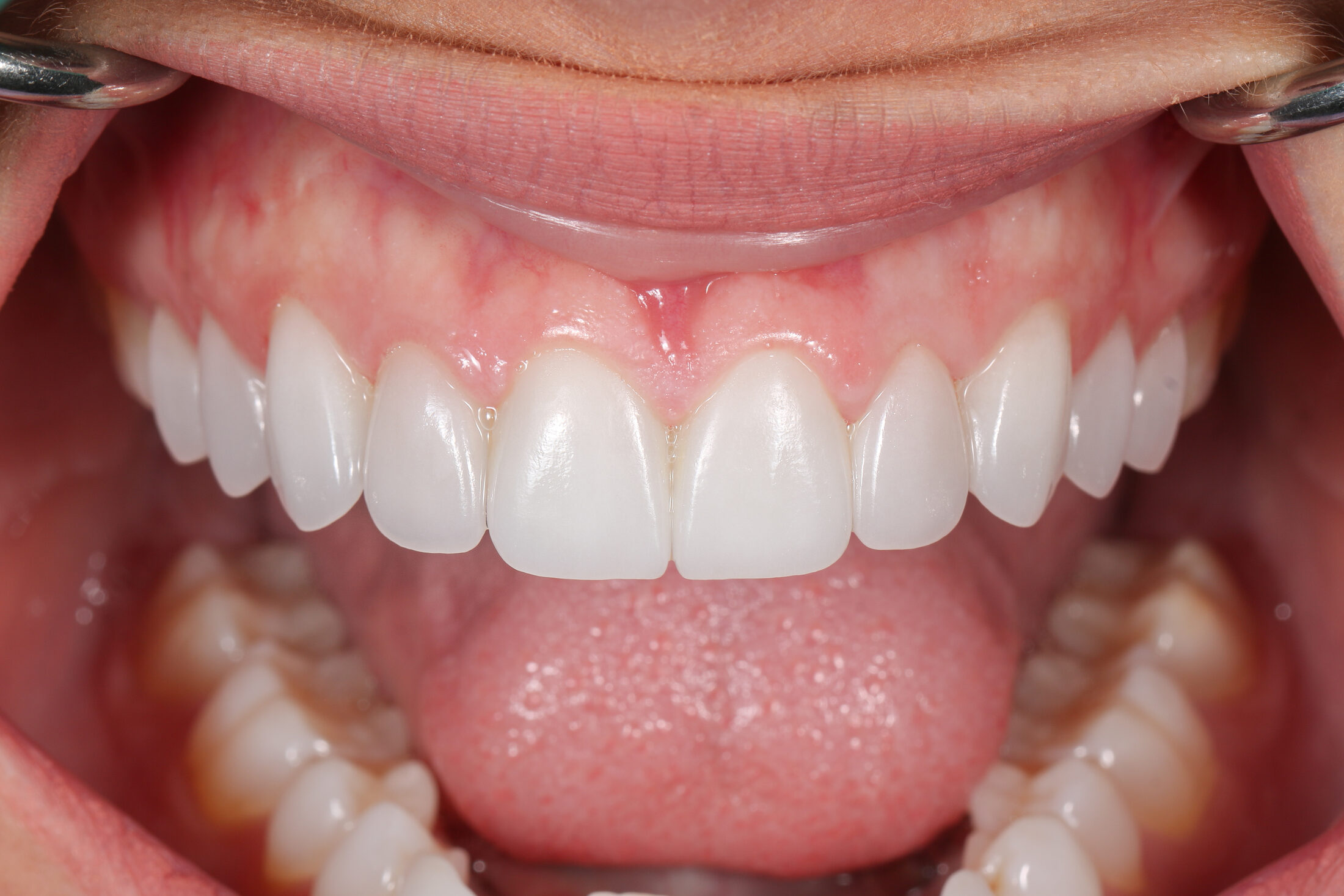
BeforeAged composite bonding on anterior teeth
AfterAnterior teeth after bonding replaced with porcelain veneers
Photograph Composite bonding that had stained and chipped over time — replaced with layered porcelain.
II.
Restoration 02 · Porcelain Veneers

Porcelain veneers

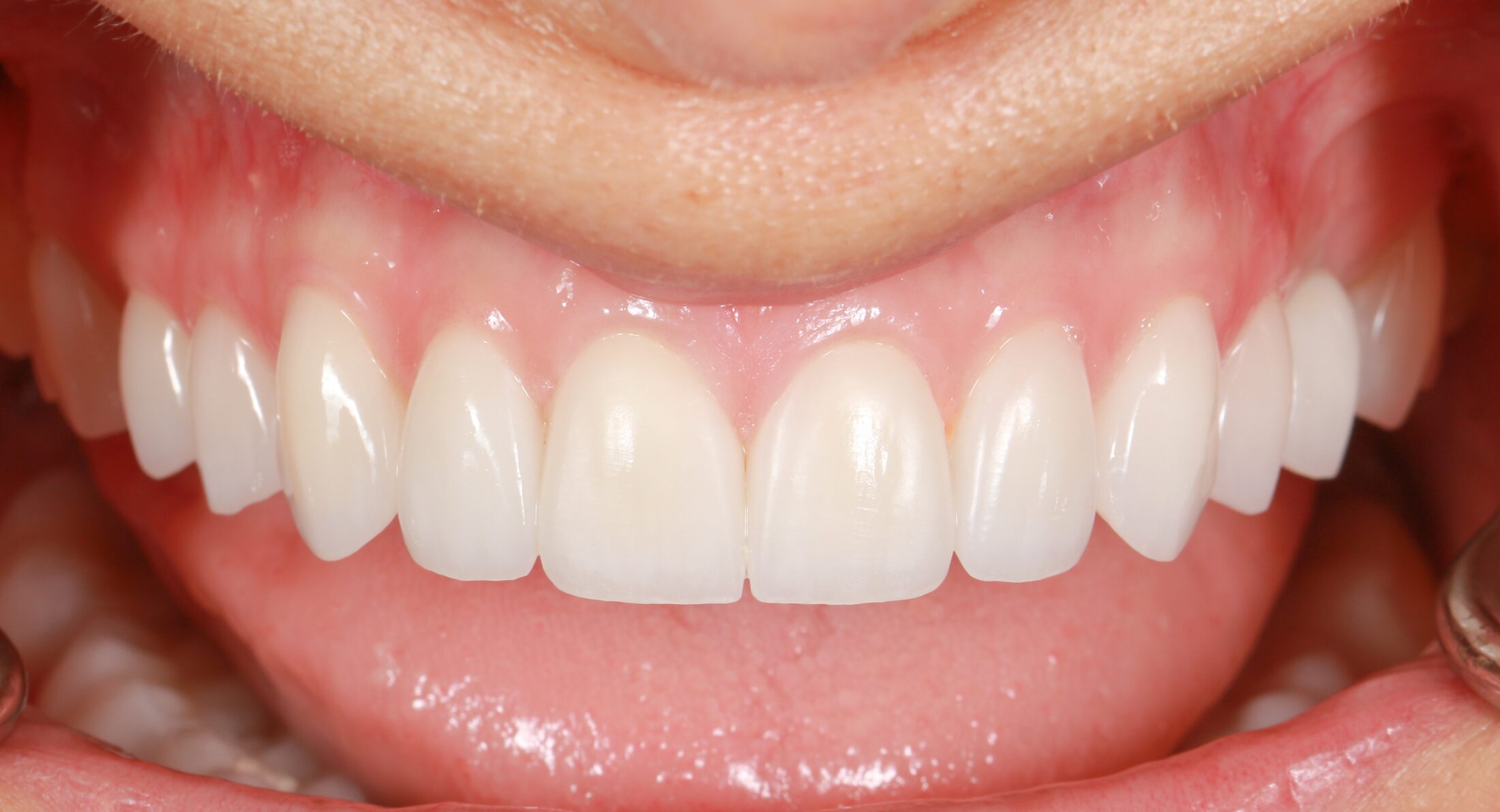
Veneers are thin, hand-layered ceramic restorations bonded to the front surfaces of teeth. They are the workhorse of modern aesthetic dentistry — preserving the natural tooth as much as possible while transforming color, shape, alignment, and proportion. When designed and crafted at a specialty standard, veneers look indistinguishable from natural enamel and routinely last a decade or more without intervention.

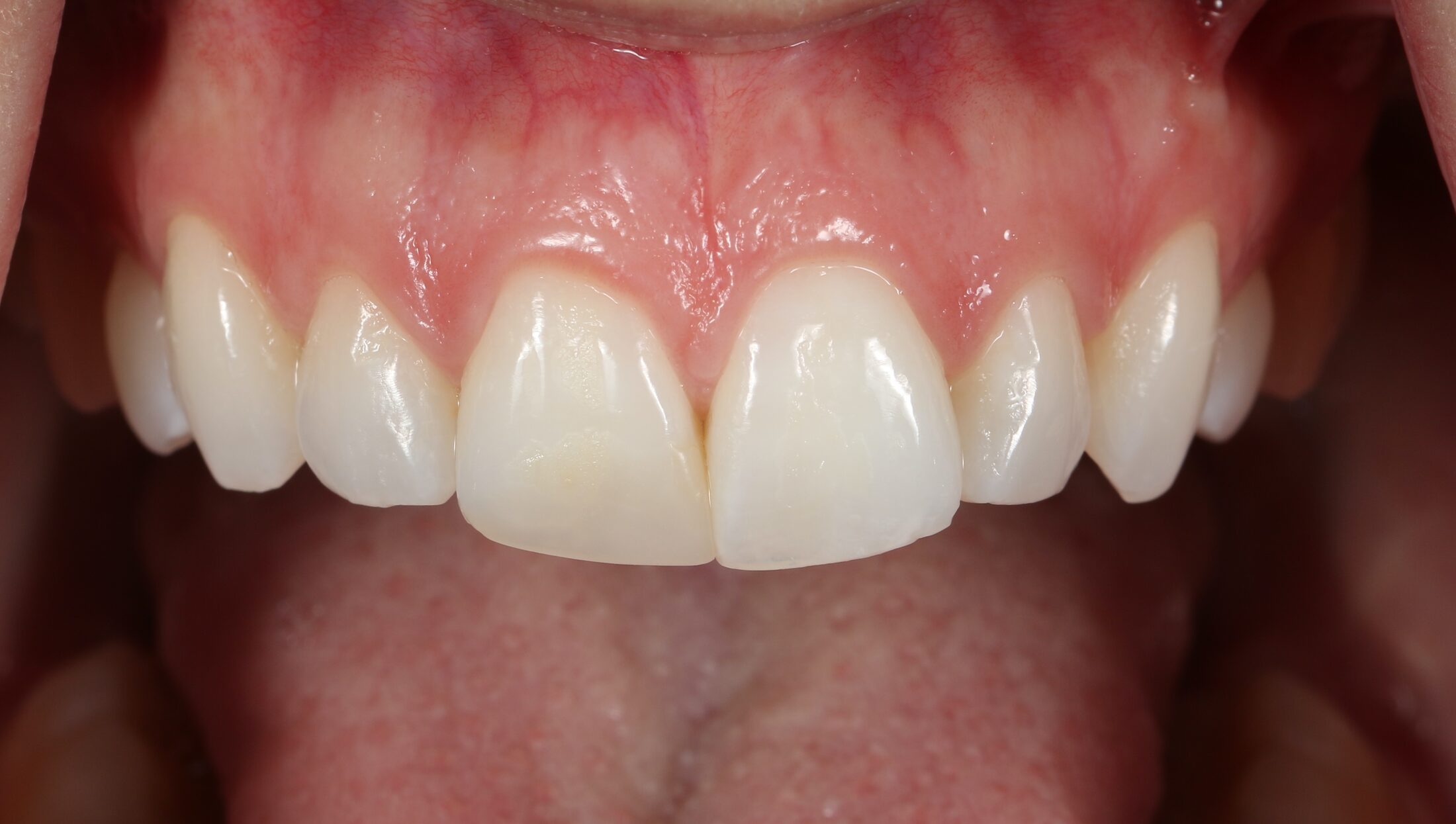
BeforeSmile before porcelain veneers
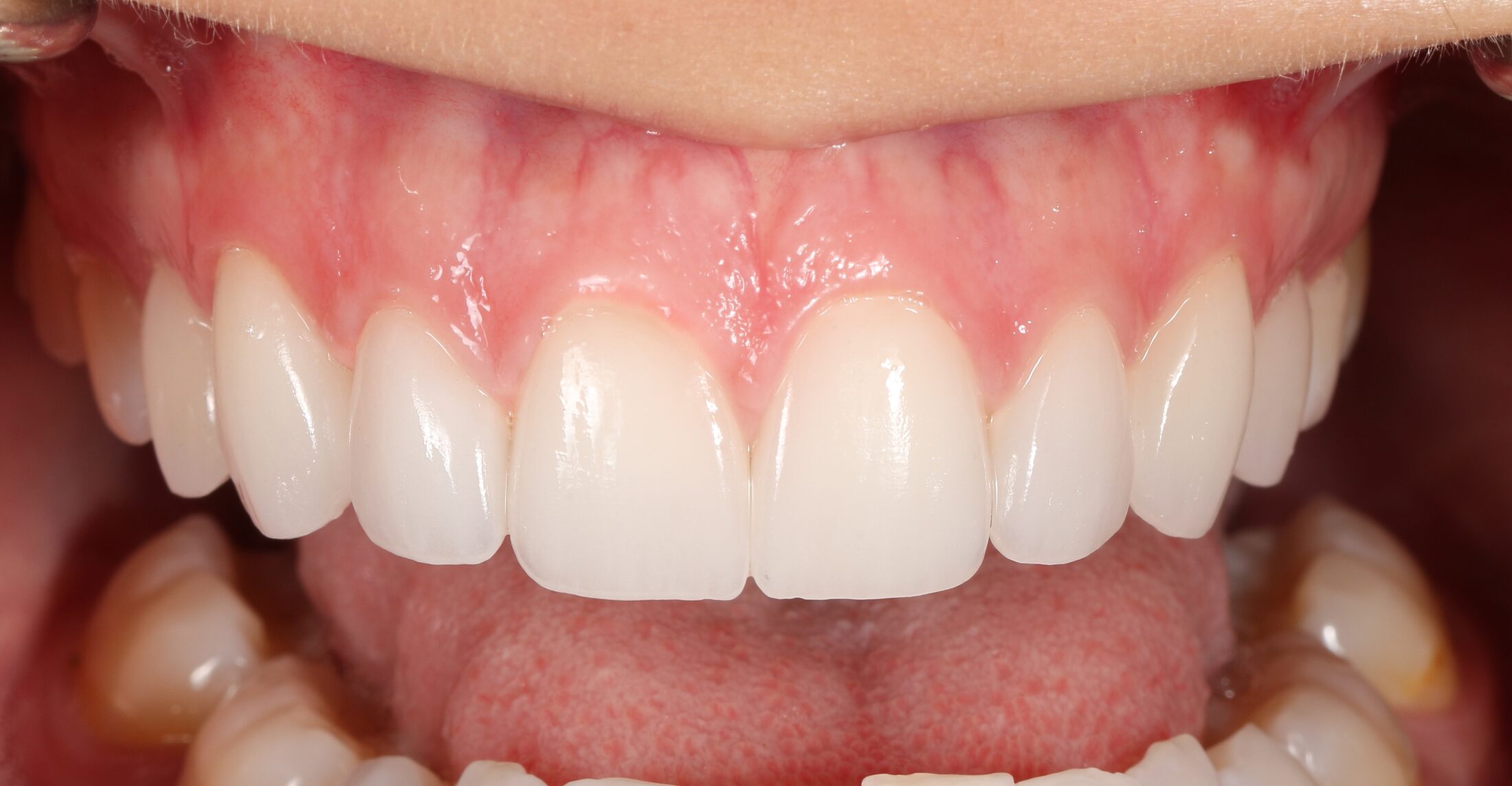
AfterSmile after porcelain veneers
Photograph Hand-layered porcelain veneers — color, form, and proportion designed in concert with the patient’s features.
III.
Restoration 03 · Full-Coverage Crowns

Full-coverage crowns

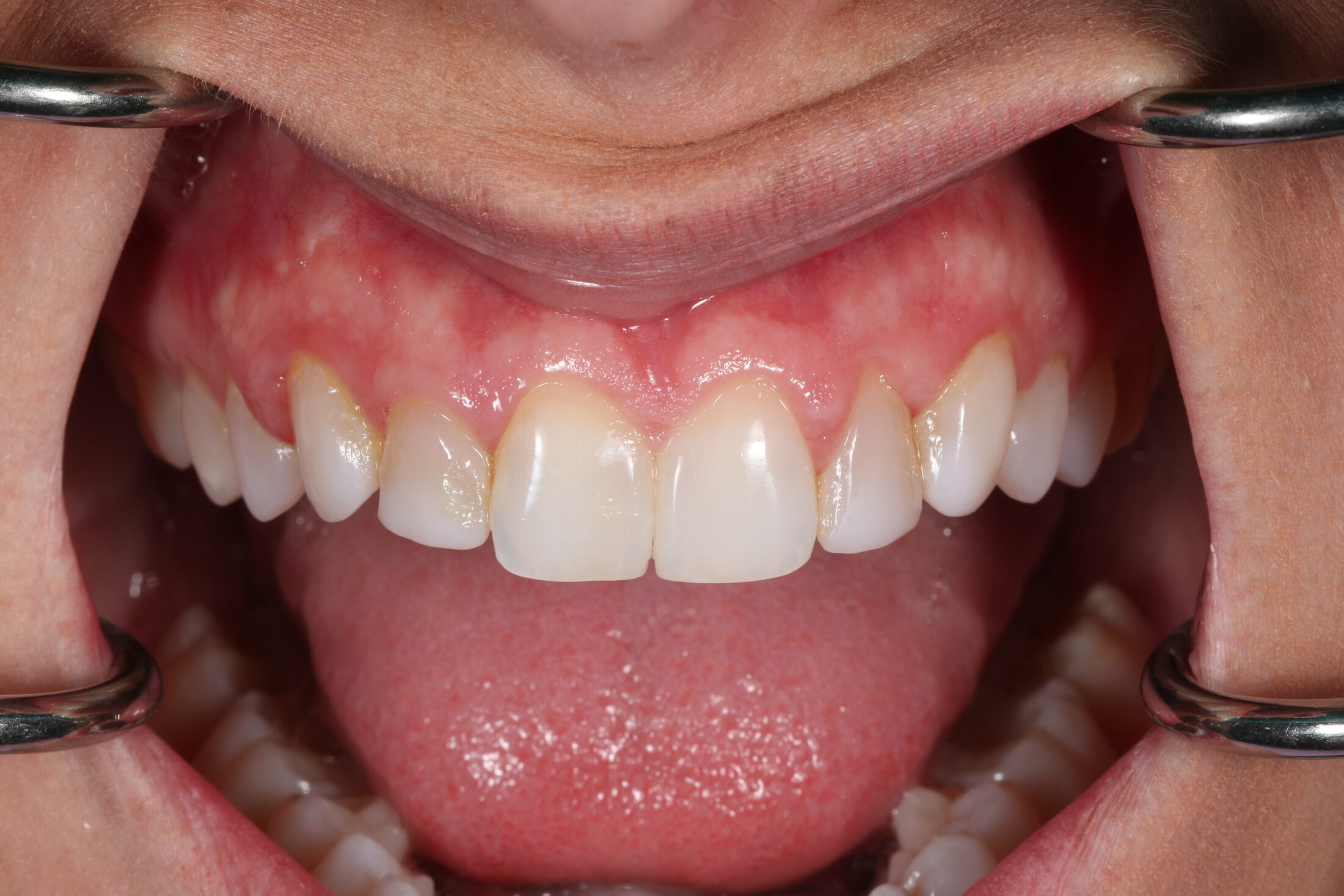
A crown wraps the entire tooth in a restoration. Crowns are indicated when the tooth itself is structurally compromised — large fillings, root canals, fractures, or wear that has destroyed too much enamel for a veneer to bond reliably. Crowns are not aesthetic upgrades. They are restorative necessities. Placed appropriately, they protect the tooth for decades. Placed unnecessarily, they remove tooth structure that can never be returned.

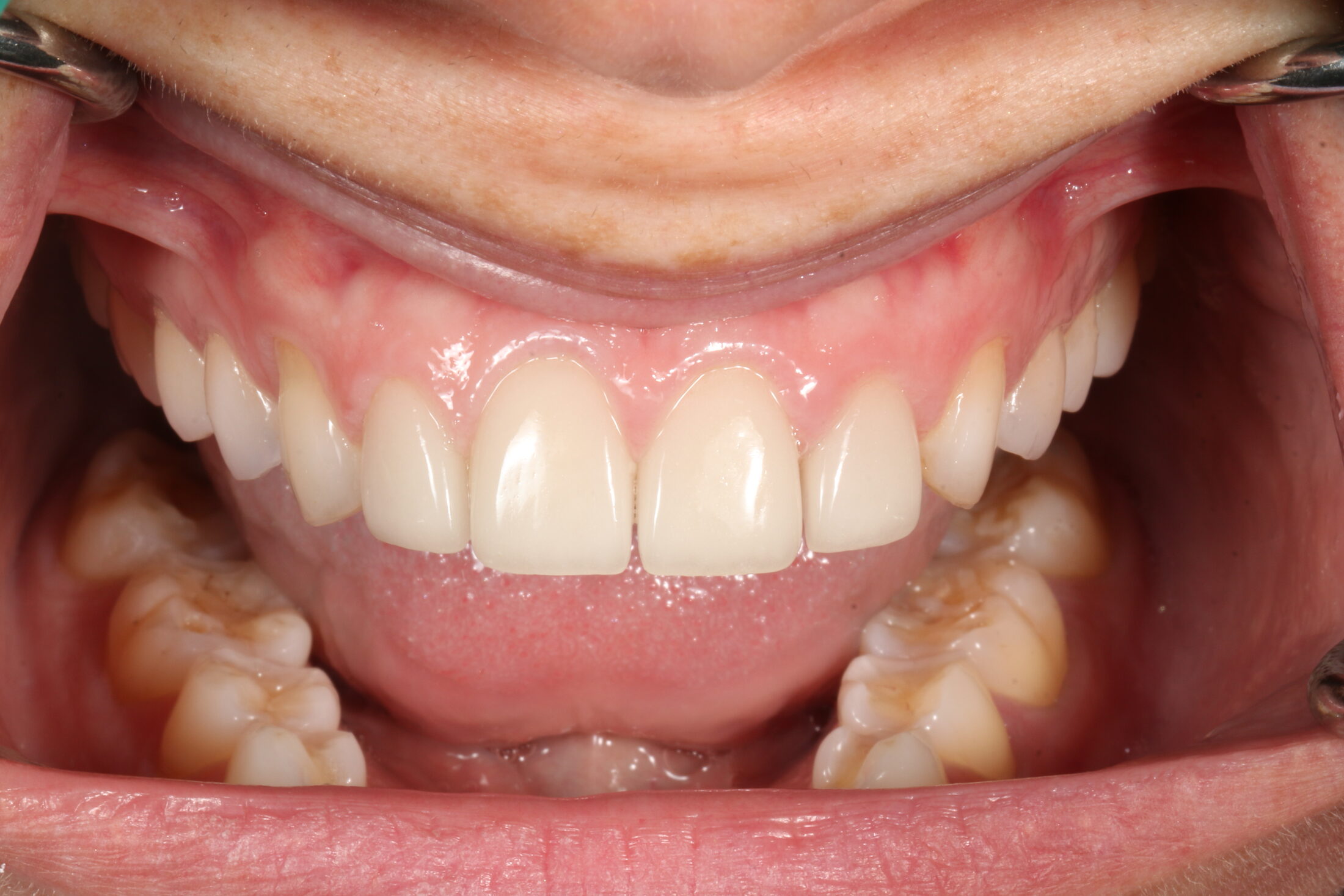
BeforeStructurally compromised teeth before full-coverage crowns
AfterTeeth restored with full-coverage ceramic crowns
Photograph Worn, structurally compromised teeth restored with full-coverage ceramic crowns — the only appropriate restoration in this case.
Back to the Journal
Begin the Conversation

Get a specialist’s opinion.

If you have been quoted bonding, veneers, or crowns — or are simply unsure which is right for you — this is the conversation to have.